
How to actually win at Ludo jim

Ask most people whether Ludo takes skill and they will tell you it is all in the dice. They are half right. You cannot control what you roll, and no amount of cleverness turns a two into a six. But over a full game you will roll roughly the same numbers as everyone else at the table, and the player who wins is almost always the one who spent those numbers better.
That is the whole game, really: not what you roll, but what you do with it.
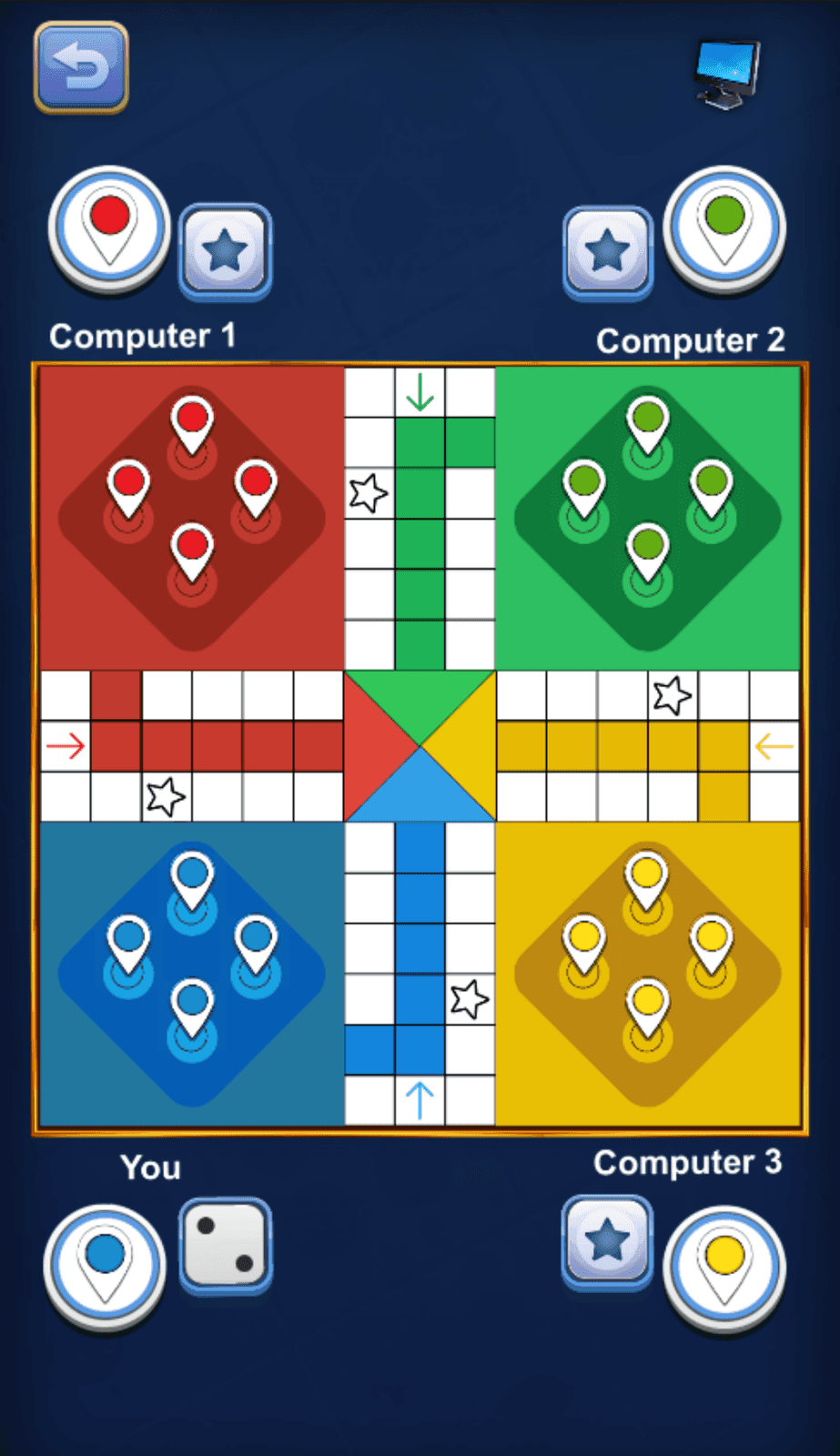
Do not spread out
The most common mistake is the one that feels most like progress. You get a six, you bring out a token, and the board slowly fills with your pieces sitting far apart from each other. It looks like you are winning on four fronts. You are actually losing on four fronts.
http://localhost:8888/Gamejim/images/blog/2026/08/sacomputer-ef51a633.png
A token on its own is a target. Anyone who lands on it sends it back to your yard and you lose every square it had gained. Two tokens on the same square, on the other hand, form a block that nobody can pass or capture.
- Keep two tokens within about six squares of each other so they can join up
- Form a block on a square opponents have to cross
- Move the pair forward together rather than racing one ahead
You will feel slower doing this. You will also stop handing away twenty squares of progress every few turns.
Spend your sixes properly
A six is not just a move, it is a choice, and it is the most valuable roll in the game because it does two things at once: it moves a token six squares and it gives you another turn.
Early on, bringing a token out is usually right, because you need pieces on the board to do anything at all. Later it is often wrong. A six spent introducing a fourth token, with the whole board still ahead of it, does far less than the same six pushing a token that is six squares from home.
Ask yourself which token that six actually finishes something for. Then give it to that one.
Know when to capture and when to run
Capturing feels great and is not always right. Sending someone home costs you nothing directly, but it does change where your token is standing, and a token that has just captured is often sitting alone in the middle of traffic.
Take the capture when:
- It is on or near a safe square
- The token you send back was close to home
- You are behind and need to change the shape of the game
Skip it when taking it leaves your own piece exposed to two or three opponents, and the piece you would send back had barely started. You are trading a real risk for a small gain.
The home stretch is where games are lost
Players relax once their tokens turn into the home column. That is exactly when the game is decided, because the last few squares before it are the most dangerous on the board. Everyone is funnelling toward the same place, which means the traffic is heaviest there.
If you have a token four or five squares from safety, think about whether it can wait a turn on a safe square rather than sitting in the open. A token that arrives one turn later is infinitely better than one that goes back to the yard.
Playing against people, not dice
In a four player game, watch who is closest to winning and stop helping them. If you have a choice between two equally good moves, take the one that puts pressure on the leader. Ludo is one of the few games where three players quietly agreeing that someone else is too far ahead changes the outcome entirely, and nobody has to say a word about it.
Against the computer, the opposite applies. It plays consistently, so your edge comes from patience: block, pair up, and let it walk into you.
The short version
- Pair your tokens up, do not scatter them
- Spend sixes on tokens that are close to finishing
- Capture when it is safe, not because it feels good
- Slow down in the last stretch, that is where games are thrown away
- In a group, put pressure on whoever is winning
None of this beats a run of bad dice. Over ten games, though, it wins more of them than it loses.