
Block Puzzle Strategy: Why Your Score Always Stalls
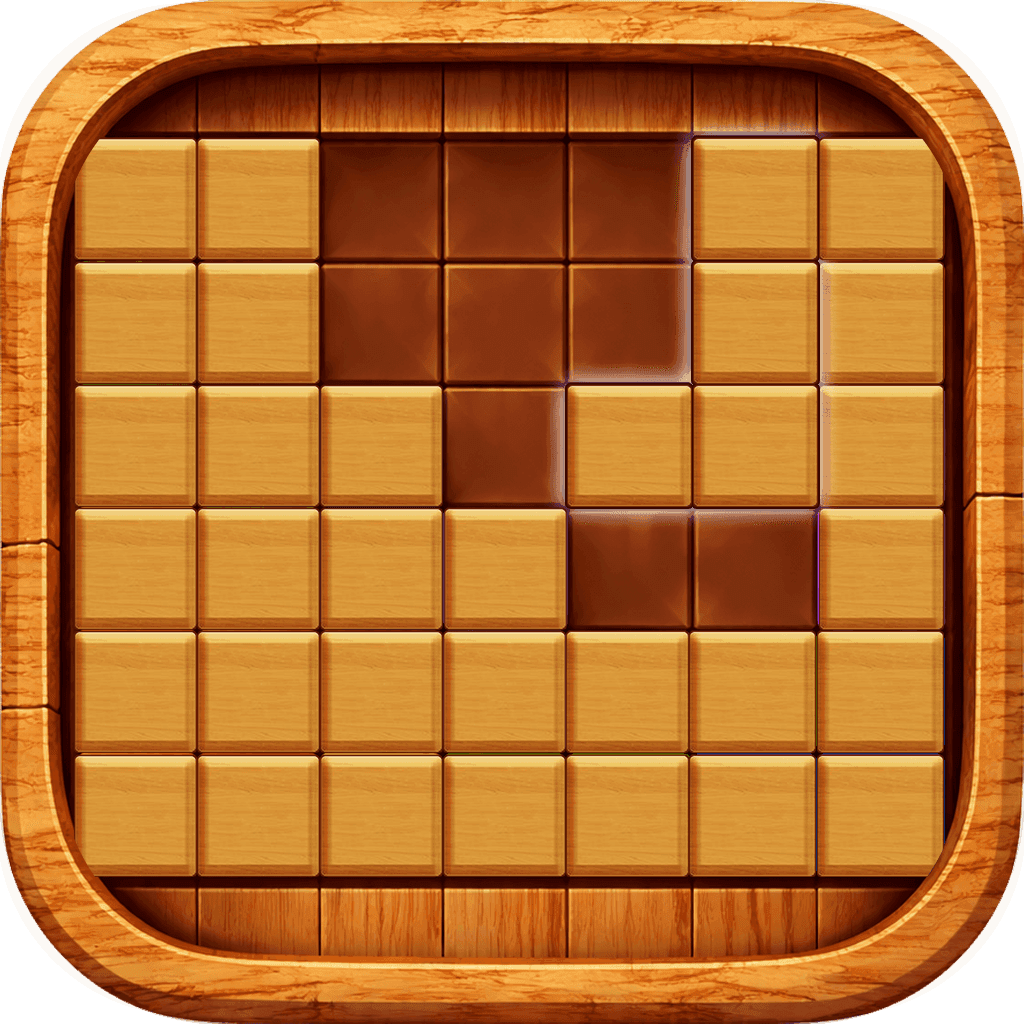
Block puzzle is unusual among casual games because nothing is rushing you. There is no timer, no falling piece, no opponent. The board sits there for as long as you want to look at it.
Which means every game you lose, you lost with all the time in the world to avoid it. That is worth sitting with, because it tells you where the improvement is.
The game is about the piece you have not seen
You get three pieces at a time. Most people place all three as well as they can, take the next three, and repeat. That is the version of the game where your score stalls around the same number every run.
The better version asks a different question with every placement: what happens if the next piece is the worst one?
The worst piece is the three by three square. It needs a clean nine cell block with nothing in it. If your board has no such space, that piece ends the run, and it will come eventually.
So the real rule is simple to say and hard to follow: keep a square-shaped hole open at all times.
Keep the mess in one place
The instinct is to spread pieces out so the board stays evenly loaded. That is exactly backwards.
An evenly loaded board is a board where every region is half full and nothing large fits anywhere. A board with one crowded corner and one clean area has somewhere to put a big piece, and it will survive longer.
Decide early which part of the board is going to get untidy, and put the awkward pieces there. Protect the rest.
Clear lines late, not early
A row that is one cell from clearing is not a problem to solve immediately. It is stored value.
If you clear it as soon as you can, you have used your good piece to gain one row. If you leave it and clear it when the board is tight, that same row is the thing that saves the run.
The exception is when the board is already comfortable. Then clearing early costs nothing and keeps things simple.
Corners and edges are not the same
An empty corner is worth more than an empty middle cell, because pieces stack against corners cleanly and leave no gaps behind them. Place long pieces along edges wherever you can and they use their length without stranding anything.
A long piece dropped through the middle of the board splits your open space into two smaller spaces, neither of which fits a square. That single habit is responsible for a lot of short runs.
Single cells are debt
A one cell gap is not a small problem. It is a hole that only one specific piece can ever fill, and until that piece appears the row it sits in cannot clear.
Two or three of them scattered around and the board is effectively much smaller than it looks. Treat every gap you create as a cost, and take the placement that creates none even when it scores less right now.
Count before you place, not after
Since there is no timer, there is no reason to place a piece and then see what happened.
Look at all three pieces first. Work out the order. It is common that pieces one and three fit together neatly and piece two has to go somewhere awkward - and if you place them left to right without checking, you find that out too late.
What a good run looks like
Long runs are not the ones with dramatic multi-line clears. They are the ones that look boring: a tidy board, one designated messy corner, a nine cell space kept clear the whole way through, and rows cleared only when they need to be.
The dramatic clears happen along the way. They are a symptom of playing well, not the method.
Practising it
Wood Block Jim runs in the browser with no timer and no lives, which makes it the right place to try a deliberate run. Play one game where your only rule is that a three by three space must exist at all times, and compare the score to your usual.
For most people that single constraint is worth more than everything else on this list combined.
If you want the same shape of thinking with chains instead of rows, Bursty Box Jim rewards setting up rather than reacting in much the same way.